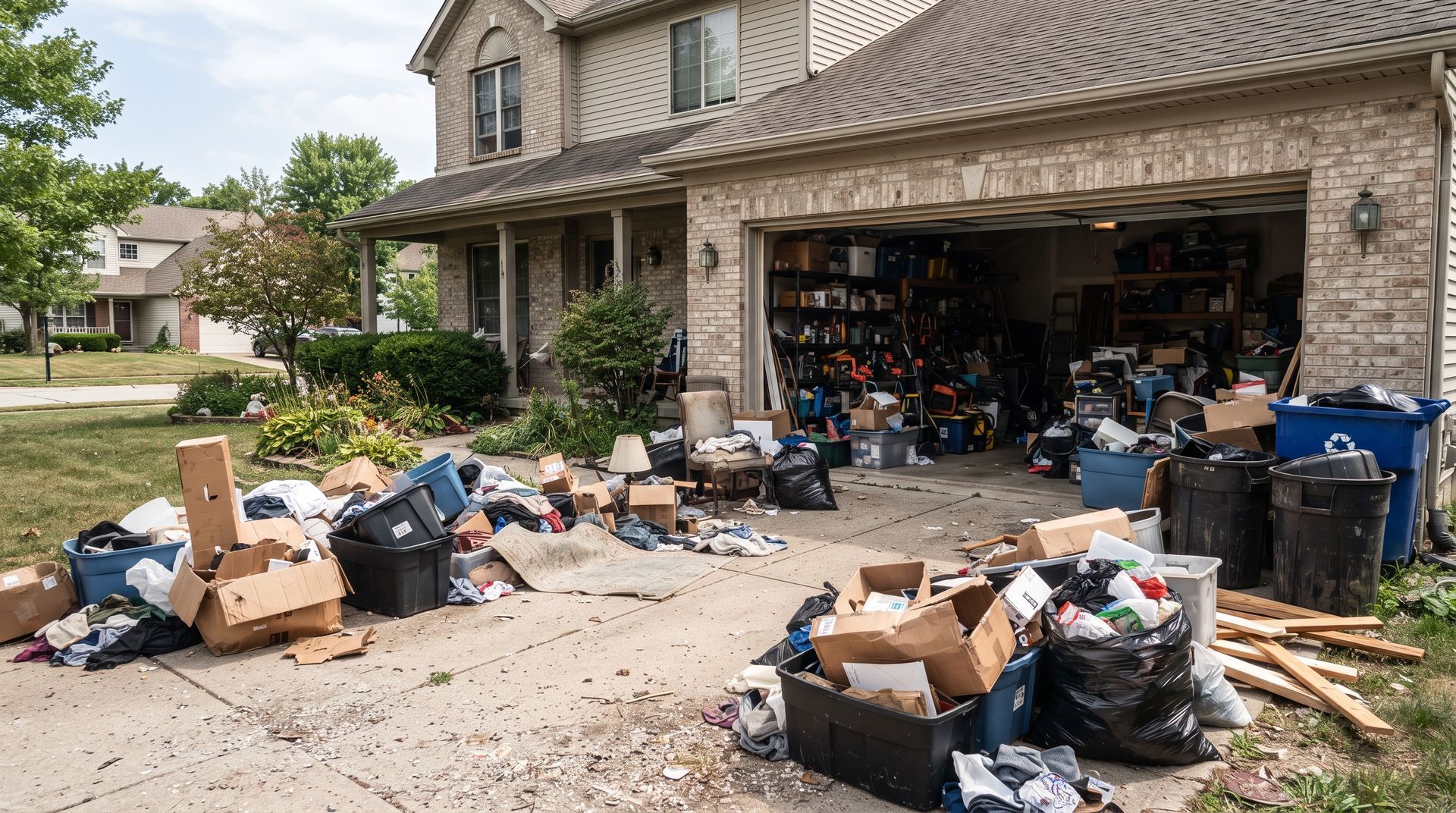
Renovation debris rarely arrives all at once. It builds gradually until, somewhere around week two, the driveway is half blocked and the trash cans have been full for days. Most homeowners and even a few contractors go into a renovation underestimating just how much material comes out of a home once demolition starts, and by the time it becomes obvious that things are getting out of hand, the debris has already become a daily obstacle rather than a manageable byproduct of the work.
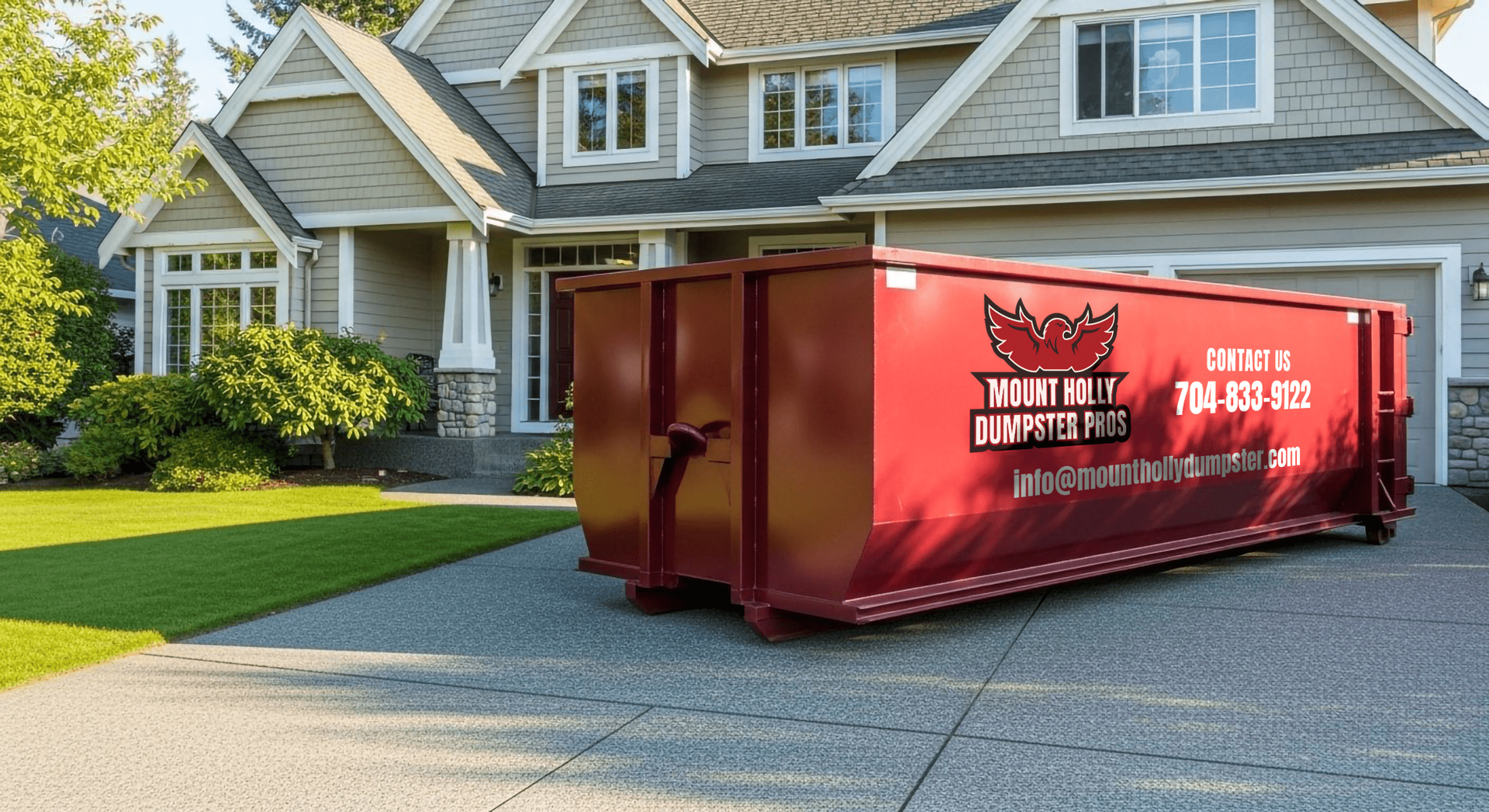
Here are the signals that it's time to bring in a roll-off dumpster instead of managing debris trip by trip, along with why each one matters more than it might seem in the moment.
- Your Trash Cans Filled Up Before the Project Did
If curbside bins are overflowing before the job is even halfway finished, the project has already outgrown standard trash service. This is often the very first sign homeowners notice, and it's easy to dismiss at first. A slightly overfull can here and there doesn't seem like a big deal. But once you're bagging debris and leaving it stacked next to the cans on trash day, week after week, you're already spending time and effort managing a problem that a single dumpster would solve outright. Municipal trash pickup was never designed to absorb renovation-scale debris, and trying to force it to do so usually means the debris just accumulates somewhere on the property between pickup days.
- You're Making Repeat Trips to the Dump
Every trip to a landfill or transfer station costs gas, time, and truck bed space, and most renovations generate more debris than a truck bed can handle in a single load. What starts as one trip on a Saturday morning often turns into three or four trips spread across several weekends, each one requiring loading, driving, unloading, and driving back. Add up the hours spent on these trips over the course of a multi-week renovation, and it becomes clear that the time saved by having a dumpster on-site is significant, even before considering the physical toll of repeatedly loading and unloading heavy material by hand.
- Loose Debris Is Becoming a Safety Issue
Nails, broken drywall, scrap flooring, and shards of tile left around a work area create a real tripping and injury risk, especially with kids or pets nearby. This is one of the more overlooked reasons homeowners eventually decide to bring in a dumpster. It isn't just about convenience, it's about liability and safety. A protruding nail in a pile of scrap wood, a shard of broken tile hidden in a pile of debris, or a stack of drywall pieces that shifts unexpectedly can turn a renovation project into a trip to urgent care. Having a single, contained place for debris to go the moment it's generated removes most of that risk from the equation.
- Your Contractor Has Nowhere to Put Materials
Crews work faster when there's a clear place to toss debris as they go. Without one, cleanup becomes its own separate task at the end of each day, which either eats into billable hours or gets pushed off until debris has piled up considerably. Contractors who work efficiently tend to build debris removal into their daily workflow rather than treating it as an afterthought, and having a dumpster staged on-site from day one is usually part of how they do that. If your contractor hasn't brought up a dumpster and the project involves any real demolition, it's worth asking about their plan for debris before work begins.
- You're Dealing With Several Types of Material at Once
Shingles, drywall, wood, and tile mixed together in one pile are harder to sort and dispose of later than materials that were separated and contained from the start. A single roll-off keeps everything contained from the beginning, which matters more than it might seem. Once different materials get mixed together in a single pile, whether at a curb or in a temporary staging area, separating them out later for proper disposal becomes a tedious task that often just doesn't happen, meaning material that could have been recycled or handled more efficiently ends up disposed of in a less ideal way simply because sorting it after the fact felt like too much work.
Choosing a Size for a Gastonia Renovation
Most kitchen and bathroom remodels fit well in a 15 cubic yard dumpster, which includes a generous weight allowance for cabinets, drywall, and fixtures. Larger renovations, roofing tear-offs, or whole-home projects usually call for a 20 cubic yard dumpster, since the volume and weight involved in a full-scale renovation tend to outpace what a mid-size container can hold. Smaller single-room jobs, such as replacing flooring in one bedroom or updating a single closet, can often get by with a 10 cubic yard dumpster, which is enough for the debris generated without paying for capacity you won't use.
If you're working with a contractor, it's worth having a conversation early in the planning process about which size makes the most sense given the full scope of work, rather than sizing based only on the first phase of the project. Renovations tend to generate more debris toward the middle of the project, once demolition is fully underway, so sizing with that peak in mind, rather than the pace of debris generation on day one, tends to produce better results.
What to Expect When You Book
Reserve a size online or by phone, and delivery is scheduled with attention to protecting your driveway and property, since a renovation already puts enough wear and tear on a home without adding damage from the dumpster delivery itself. Orders booked before noon can often be delivered that same day, which matters when a contractor's schedule is already set and waiting several days for a dumpster to arrive would mean paying a crew to stand around with nowhere to put debris.
A Few Additional Considerations for Renovation Projects
Beyond simply picking a size, it helps to think about placement on the property before the dumpster arrives. A driveway placement is usually the most convenient for loading, but if the renovation is concentrated in the back of the house, placing the dumpster closer to that side of the property, if access allows, can save considerable time over the course of the project. It's also worth discussing with your contractor whether the dumpster will need to stay in place for the full renovation or whether a swap partway through, once it's full, makes more sense given the project's timeline.
Weather is another factor Gastonia homeowners sometimes overlook. Heavy rain can add unexpected weight to certain types of debris, particularly drywall and insulation, which absorb moisture readily. If a renovation project overlaps with a stretch of wet weather, it's worth keeping an eye on how quickly the dumpster is filling relative to its weight allowance, since debris that's been rained on can weigh noticeably more than the same material dry.
What Happens If the Dumpster Fills Up Before the Project Does
Even with careful sizing, some renovation projects run into a situation where the dumpster fills up before demolition and cleanup are fully finished. This tends to happen most often on projects where the original scope expanded partway through, such as a kitchen remodel that uncovers water damage behind a wall, requiring additional demolition beyond what was originally planned. If this happens, the solution is usually a swap, where the full container is removed and replaced with an empty one, rather than trying to force additional debris into a container that's already at capacity.
Knowing that this option exists can take some of the pressure off the initial sizing decision. It's still worth trying to size accurately from the start, since a swap involves an additional pickup and delivery, but understanding that a full dumpster mid-project isn't a dead end helps homeowners and contractors alike approach the early stages of a renovation without feeling like every decision has to be perfect on the first try.
Recycling and Responsible Disposal Considerations
Renovation debris often includes material that could be recycled or repurposed rather than simply disposed of, and it's worth thinking about this at the planning stage rather than after demolition is already underway. Metal fixtures, certain types of wood, and some categories of construction waste can sometimes be diverted from standard disposal, depending on what's involved and what local options exist in the Gastonia area. If this is a priority for your project, it's worth mentioning when you book, since separating recyclable material from general debris usually needs to be planned for from the start rather than sorted out after everything has already been mixed together in a single container.
Serving Gastonia and the Surrounding Area
Mount Holly Dumpster Pros is home grown and veteran-owned, based in Mount Holly and working throughout Gastonia and the wider Gaston County area. Because so much of our business comes from renovation projects just like the ones described here, we've developed a good sense for how debris volume tends to build over the course of a project, and we're happy to share that experience when you call to book. Our pricing is quoted upfront, with no hidden fees added once the dumpster is on-site, so there's no risk of a renovation budget getting thrown off by a surprise charge related to debris removal.
If debris is starting to slow your renovation down, call 704-833-9122 or book online at mounthollydumpster.com.
READY TO BOOK YOUR DUMPSTER?
OR FILL OUT THE FORM BELOW
Contact Us
Thank you for contacting us!
One of our dumpster pros will get back with you as quickly as possible.
Oops, there was an error sending your message.
Please try again.
Back To Blogs