
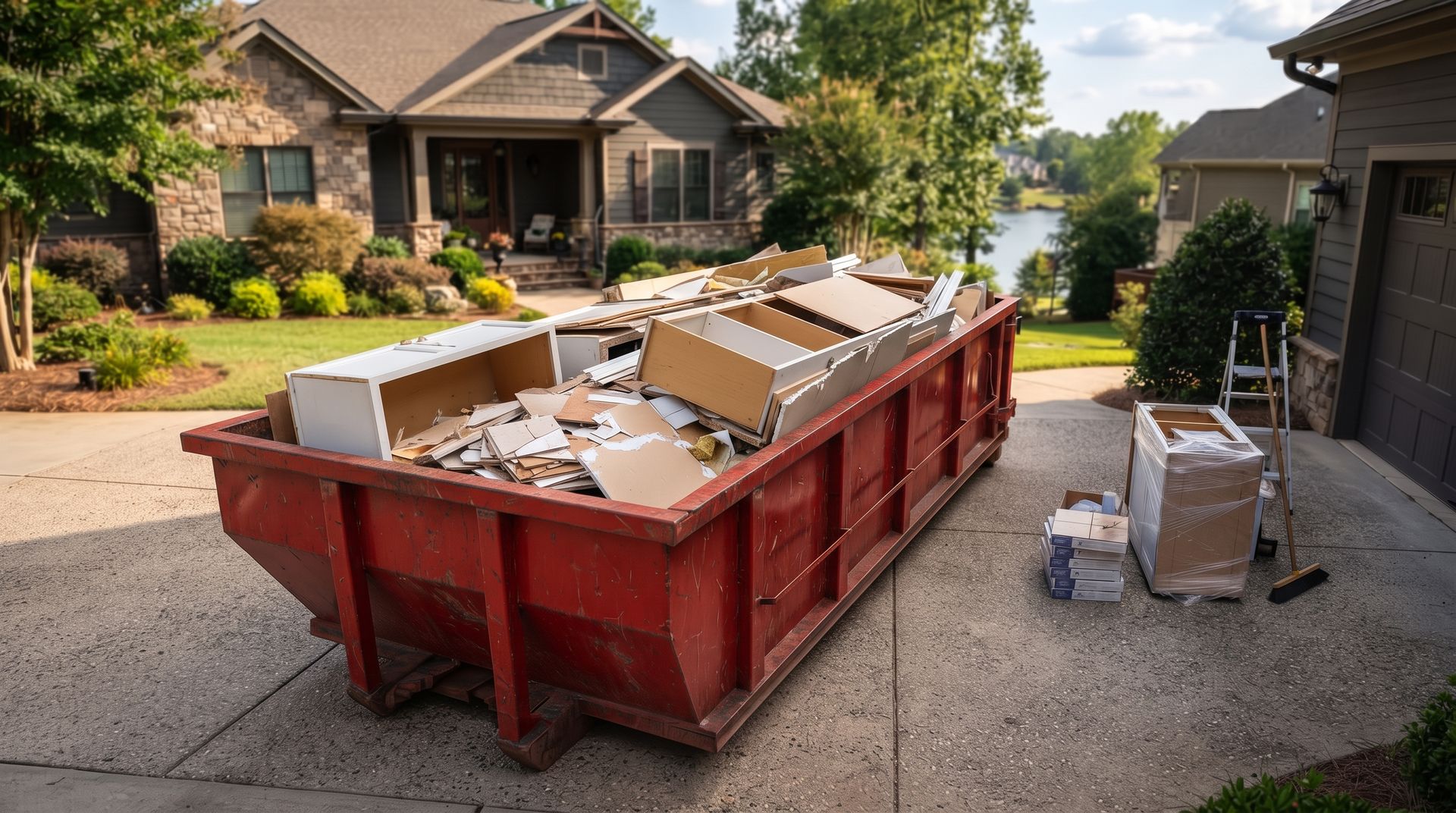
Attic and Basement Cleanout Tips for Mount Holly Homeowners Before Winter

Before the weather turns, a lot of Mount Holly homeowners finally get around to the attic or basement that's been quietly filling up with boxes for years. It's a project that tends to get put off longer than almost any other kind of home cleanup, partly because attics and basements are out of sight and easy to ignore, and partly because once you finally do open the door, it's hard to know where to even begin sorting through what's accumulated.


Cooler temperatures make attic work more bearable than it would be in the middle of summer, and clearing space before the holidays means decorations have somewhere organized to go once they come back down from storage. There's also a practical reason fall works well for this project: it gives you a full season to notice any issues, like moisture or pest activity, before winter humidity or cold changes the picture entirely.


Why This Project Fits Better in the Fall Than Any Other Season


Attics in this part of North Carolina get uncomfortably hot in summer, often reaching temperatures that make spending more than a few minutes up there genuinely unpleasant, let alone the hours it takes to properly sort through years of storage. Once winter weather sets in, attics become harder to access comfortably in a different way, particularly if the attic isn't insulated or heated, and basements can become damp and unwelcoming as outdoor humidity shifts with the season. Fall sits in a comfortable middle ground, cool enough to work without overheating but not yet cold enough to make the space unpleasant in the opposite direction.


It's also easier to spot basement moisture issues before winter humidity changes the picture. A basement that seems dry in October might behave very differently once winter arrives, depending on how the home is situated and how groundwater moves around the foundation. Doing a cleanout now gives you a chance to notice early signs of moisture, must, or pest activity while there's still time to address it before conditions change further.


Sorting Before You Load


A quick sort ahead of time saves both money and effort, and it's worth doing methodically rather than just pulling everything down and dealing with it all at once, which tends to lead to decision fatigue partway through the project. Many people find it useful to work through the space in three categories:


  • Keep: items actually used within the last year, or items with genuine sentimental or practical value that justify continued storage
  • Donate: anything usable but no longer needed, which often includes clothing, furniture, and household items that someone else could use
  • Dispose: broken, damaged, or genuinely unwanted items that have simply been sitting because there was no urgency to deal with them until now


Only the last category needs to go in the dumpster, which keeps the size you need smaller than it might first appear once you actually start sorting rather than just estimating based on how full the attic or basement looks from the doorway.


What Tends to Accumulate in Attics and Basements


Attics in Mount Holly homes tend to collect a fairly predictable set of items over the years: holiday decorations that multiply faster than they get thinned out, old furniture that was moved up there "just in case" and never came back down, boxes of documents and keepsakes that were never fully sorted after a move, and outgrown children's items that seemed worth keeping at the time. Basements often hold a slightly different mix, including old paint cans, broken or outdated tools, furniture waiting for a repair that never happened, and sometimes items left behind by a previous owner that simply never got dealt with.


Recognizing these patterns can help you plan realistically for how much debris you're actually going to generate, rather than assuming the project will be either much bigger or much smaller than it actually turns out to be.


Attics Versus Basements: Different Challenges, Different Approaches


Although it's easy to group attics and basements together, the two spaces actually present fairly different challenges, and it's worth thinking about them somewhat separately even if you're planning to tackle both during the same season. Attics tend to hold lighter, more fragile items, boxes of decorations, keepsakes, and documents, that are more about volume than weight. Basements, on the other hand, more often hold heavier items like old furniture, tools, and sometimes leftover building materials from past projects, which shifts the sizing consideration more toward weight than volume.


If you're only tackling one of the two spaces this fall, knowing which type of challenge you're dealing with, a volume-heavy attic or a weight-heavy basement, can help you and our team land on the right size more precisely than a general description alone.


Choosing a Size


A single attic or basement cleanout usually fits a 10 cubic yard dumpster (1 ton of waste included). Clearing both spaces at once, or removing heavier items like old furniture and appliances that have been stored away for years, points toward a 15 cubic yard dumpster (1.5 tons of waste included), which gives enough room to handle a more substantial cleanout without needing to carefully ration space as you go.


A Word About Hazardous or Special Items


Attics and basements are common places to find things that need special handling rather than simply going in with the rest of the debris. Old paint cans, propane tanks, batteries, and certain electronics typically fall into this category. It's worth doing a quick inventory of anything unusual before the dumpster arrives, so you're not left trying to figure out what to do with these items on the day you're trying to get everything else loaded and out of the way.


Dealing With Items That Bring Up Difficult Decisions


Attic and basement cleanouts often surface items tied to memories, whether that's a box of a grown child's schoolwork, old photographs, or belongings connected to a family member who's no longer around. These items don't need to slow down the practical side of the cleanout, but it's worth giving yourself permission to set aside a small pile of "decide later" items rather than forcing a quick decision on everything in a single session. A cleanout doesn't have to be all-or-nothing, and taking a bit of extra time with genuinely meaningful items usually leads to fewer regrets than rushing through everything at the same pace.


Checking for Pests and Moisture While You're at It


Since this project already involves clearing out a space that doesn't get much regular attention, it's a good opportunity to check for signs of pest activity or moisture that might otherwise go unnoticed until they become bigger problems. Look for small chew marks on stored boxes, droppings, or a musty smell that wasn't there in past years. Catching these signs early, while you're already in the space clearing things out, gives you a head start on addressing them before winter weather changes the conditions in the space further.


Keeping the Rest of the Property in Good Shape


Clearing storage space shouldn't come at the cost of a damaged driveway. We take precautions to protect the driveway and surrounding property during both delivery and pickup, which matters just as much for a fall cleanout project as it does for a larger renovation, even though the scale of the project itself is often smaller.


Making the Cleanout Easier on Yourself


A few practical habits tend to make attic and basement cleanouts go more smoothly. Working with good lighting matters more than people expect, since a lot of decisions about what to keep versus dispose of are harder to make in dim conditions where you can't clearly see the condition of an item. Having a clear staging area, whether that's a section of the garage or a tarp laid out on the driveway, gives you somewhere to sort items before making a final decision on each one, rather than trying to make every call the moment an item comes down from the attic.


It's also worth pacing the project over a few days rather than trying to do it all in a single exhausting session, particularly for larger attics or basements that have accumulated years of storage. Standard rentals run up to three days, which gives enough flexibility to spread the work out without needing to rush through decisions just because a truck is scheduled to pick up the container the next morning.


Booking Before the Season Gets Busy


Reserve a size online or by phone, and we'll schedule delivery to fit your timeline. Orders placed before noon can often be delivered the same day if you're ready to start right away, which is a common request once a homeowner finally sets aside a weekend to tackle a project that's been on the list for a while.


Based in Mount Holly


Mount Holly Dumpster Pros is home grown and veteran-owned, founded and based right here in Mount Holly, serving Gaston, Lincoln, and Mecklenburg counties. Fall attic and basement cleanouts make up a steady share of what we help with in our own hometown, and we understand the particular mix of nostalgia and exhaustion that tends to come with sorting through years of family storage. Pricing is upfront with no hidden fees.


If your attic or basement needs to be cleared before winter, call 704-833-9122 or book online at mounthollydumpster.com.

READY TO BOOK YOUR DUMPSTER?

OR FILL OUT THE FORM BELOW

Contact Us

By checking this box, you give consent for Mount Holly Dumpster Pros, a registered trade name of Mount Holly Dumpster Pros, LLC, to send SMS related to your equipment rental. Message frequency may vary. Messaging and Data rates may apply. To unsubscribe, reply STOP for assistance, reply HELP. By clicking submit, you agree to Mount Holly Dumpster Pros Terms and Conditions and Privacy Policy.

Back To Blogs

By Tammy Solorzano • September 28, 2026
A remodel means tearing out before anything new goes in, and what comes out is usually heavier and bulkier than homeowners expect going into the project. Cabinets, tile, drywall, and old fixtures all need somewhere to go, often within the first few days of demolition, well before the exciting part of watching new materials go in has even started. For a lot of Cornelius homeowners, this is the first time they've had to think seriously about debris removal as its own logistical challenge, separate from the design decisions that usually get all the attention when planning a remodel. What a Typical Remodel Generates Before getting into sizing, it helps to have a realistic picture of what actually comes out of a kitchen or bathroom during a remodel. The list is longer than most people expect: Cabinets and countertops, which are often heavier than they look, especially older cabinetry built with solid wood or particleboard that's absorbed moisture over the years Tile, grout, and subflooring, particularly in bathrooms where tile often extends up walls as well as across the floor Drywall and trim, which accumulates quickly once demolition gets past the surface finishes Old fixtures such as tubs, sinks, and toilets, which are dense and can eat into a weight allowance faster than their size suggests Packaging from new materials being installed, which is easy to forget about but adds up meaningfully over the course of a project, especially with cabinetry and appliances that arrive heavily packaged This mix carries more weight than a standard household cleanout, which makes sizing more important than it might seem at first glance, especially for homeowners who are used to thinking about dumpster size purely in terms of how much stuff there is rather than how much it weighs. Matching Size to the Scope of Work A single bathroom remodel without tile or tub removal often fits a 10 cubic yard dumpster, particularly if the work is limited to swapping a vanity, updating fixtures, and repainting rather than a full gut renovation down to the studs. A kitchen remodel or a full bathroom gut is our most common request from Cornelius homeowners, and it typically calls for a 15 cubic yard dumpster, since cabinets, countertops, and drywall together add up to more debris than most people picture before the work actually begins. Projects combining a kitchen and bathroom, or involving structural changes such as removing a wall or reconfiguring plumbing and electrical, usually need a 20 cubic yard dumpster to stay comfortably under the weight limit once heavier material like tile and cast iron fixtures are factored in. If you're on the fence between two sizes, it's almost always worth erring toward the larger option when structural work is involved, since unexpected finds behind walls, like old plumbing, additional layers of flooring, or water damage that needs to be addressed, are common once a project gets past the surface level. Managing Weight, Not Just Volume Remodel debris is a good example of a project where volume and weight don't match up the way people expect. A dumpster can look far from full, with plenty of visible space left, and still be near its weight limit if it's loaded with tile or old cast iron fixtures early in the process. This catches homeowners off guard more often in remodels than in almost any other type of project we work with, simply because the visual cues that usually tell you a container is getting full don't apply the same way when the material involved is dense rather than bulky. Spreading heavier material evenly across the container, rather than dumping it all in one section, helps distribute weight in a way that makes the most of the space available. If you're managing the demolition yourself rather than through a contractor, and you're unsure whether you're approaching a weight limit partway through the project, it's worth checking in with us so we can help you gauge it rather than guessing and potentially incurring an overage. A Realistic Timeline for Remodel Debris Most kitchen and bathroom remodels don't generate debris at a steady pace. There's typically a burst of activity during initial demolition, when cabinets, old flooring, and fixtures all come out within the first few days, followed by a slower trickle as the project moves into rough-in work for plumbing and electrical, and then another smaller burst once old drywall gets removed to accommodate new wiring or plumbing runs. Understanding this pattern helps when deciding on a rental period, since a dumpster that seems to fill up quickly in the first two days isn't necessarily a sign that the size was wrong, it may simply reflect the natural front-loading of demolition debris in a typical remodel. Protecting the Property During the Project Remodels already come with enough stress without new damage to a driveway or yard on top of it. We take precautions to protect your driveway and surrounding property on every delivery and pickup, understanding that a remodel is often already disruptive enough to daily life without adding avoidable property damage to the list of things a homeowner has to deal with before the project is finished. Coordinating With Your Contractor If you're working with a contractor, it's worth having them weigh in on dumpster size and placement before booking, since they'll have a clearer sense of the full demolition scope than a homeowner planning based on a design concept alone. Contractors who do frequent remodel work in the Cornelius area often have preferences about placement that make loading easier for their crew, and coordinating on this detail ahead of time tends to make the whole project run more smoothly than leaving it as an afterthought once demolition has already started. How to Book Choose a size, reserve online or by phone, and we'll schedule delivery around your renovation timeline. Standard rentals run up to three days, with flexible options if the project runs long, which is common for remodels given how unpredictable the middle stages of a renovation can be once walls come open and unexpected issues come to light. Getting the Timing Right Between Trades Cornelius remodels often involve multiple trades moving through the home in sequence, demolition, then plumbing and electrical rough-in, then drywall, then finishes. Coordinating dumpster delivery and pickup around this sequence, rather than treating it as a single event at the very start of the project, tends to work better for remodels that stretch out over several weeks. If your project involves this kind of extended trade schedule, it's worth discussing with us whether a longer rental period or a planned swap partway through makes more sense than a single short-term rental. Serving Cornelius and Lake Norman Mount Holly Dumpster Pros is home grown and veteran-owned, based in Mount Holly and serving Cornelius and the greater Lake Norman area. Remodels make up a large share of the work we do in this part of our service area, and our team has a solid sense of how debris tends to build over the course of a typical kitchen or bathroom project, which we're glad to share when you're trying to decide between sizes. Pricing is upfront with no hidden fees. If your remodel is about to start generating debris, call 704-833-9122 or book online at mounthollydumpster.com .

Red yard debris dumpster full of autumn leaves on a driveway in a suburban neighborhood
September 15, 2026
Tackling a fall yard cleanup in Huntersville? Rent the right size dumpster with upfront pricing. Call 704-833-9122 to book today.
White dump truck with maroon bed parked on grass under a clear blue sky.
By Tammy Solorzano • September 8, 2026
Debris piling up on your Gastonia renovation? Rent a roll-off dumpster with upfront pricing. Call 704-833-9122 or book online today

Show More